➡️ INTRODUCTION
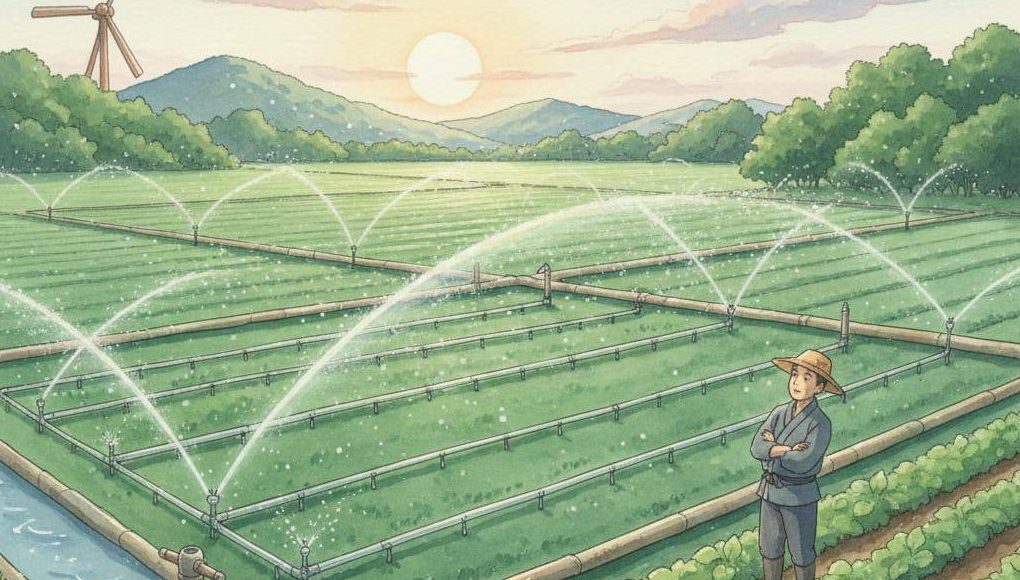
→ Agricultural irrigation systems are essential for modern farming, ensuring crops receive the right amount of water at the right time. With unpredictable rainfall and increasing water scarcity, efficient irrigation has become a necessity for improving crop yield and conserving resources. Proper irrigation systems allow farmers to manage water usage, enhance soil health, and reduce crop stress during dry periods. Implementing effective irrigation practices increases productivity, lowers labor requirements, and improves crop quality. Farmers who adopt modern irrigation systems can optimize water distribution, minimize wastage, and sustain agricultural production even in challenging climatic conditions, leading to better income and long-term farm sustainability.
➡️ Key Points / Benefits
→ Ensures uniform water distribution for healthy crop growth
→ Reduces water wastage and conserves resources
→ Improves crop yield and overall farm productivity
→ Lowers labor requirements for irrigation management
→ Supports sustainable and climate-resilient farming
→ Protects soil structure and prevents waterlogging or erosion
🔵 1️⃣ → Types of Agricultural Irrigation Systems
Several irrigation systems are available, each suitable for specific crops, soil types, and water availability. Choosing the right system is crucial for efficiency.
Common types include:
- Surface Irrigation: Water flows across the field using channels or furrows; simple and low-cost.
- Sprinkler Irrigation: Water is sprayed over crops, ideal for uneven terrain.
- Drip Irrigation: Water is delivered directly to the plant roots; highly efficient and conserves water.
- Subsurface Irrigation: Pipes placed underground deliver water directly to roots; reduces evaporation losses.
Farmers should consider factors such as crop type, field size, soil permeability, and water source before selecting a system.
🔵 2️⃣ → Benefits of Modern Irrigation Systems
Modern irrigation systems improve efficiency, crop health, and farm profitability.
Key advantages include:
- Water Conservation: Drip and sprinkler systems reduce water wastage by targeting root zones.
- Improved Crop Growth: Uniform water supply prevents stress and promotes better yields.
- Labor Savings: Automated systems reduce the need for manual watering.
- Flexible Scheduling: Timed irrigation allows crops to get water at optimal growth stages.
For example, drip irrigation can reduce water use by 30–50% while increasing yields by 20–30% in vegetables and fruits.
🔵 3️⃣ → Implementing Irrigation Systems Effectively
Proper installation and planning are essential for maximum benefits. Farmers should follow these steps:
- Field Assessment: Study soil type, slope, and water availability.
- Choose the Right System: Match system type to crop and soil requirements.
- Layout Planning: Design field layout for uniform coverage.
- Installation: Use quality pipes, pumps, and sprinklers; ensure leak-free connections.
- Testing: Run the system to check uniform water distribution before full use.
Mistakes to avoid: improper installation, overwatering, or ignoring maintenance schedules. Careful planning ensures high efficiency and long-lasting performance.
🔵 4️⃣ → Maintenance and Monitoring of Irrigation Systems
Regular maintenance ensures longevity and consistent performance of irrigation systems.
Practical tips include:
- Clean filters and nozzles regularly to prevent blockages.
- Check pipes and joints for leaks.
- Monitor water pressure and flow rates to maintain uniform distribution.
- Inspect pumps and timers to ensure proper operation.
Monitoring soil moisture using sensors helps prevent over-irrigation, reduces energy use, and ensures optimal crop growth.
🔵 5️⃣ → Cost Management and Access to Irrigation Technology
Investing in irrigation systems requires careful cost planning. Strategies to manage costs include:
- Government Subsidies: Many regions offer financial support for irrigation infrastructure.
- Shared Systems: Cooperatives or farmer groups can share expensive equipment.
- Renting or Leasing Equipment: Useful for small-scale farmers during peak seasons.
- Gradual Investment: Start with one system and expand as benefits become clear.
Do’s: track water usage and costs, schedule maintenance regularly, and select systems appropriate to farm size. Don’ts: over-invest in unnecessary technology or neglect repairs.
➡️ CONCLUSION
→ Agricultural irrigation systems are key to efficient, sustainable, and profitable farming. Proper selection, installation, and maintenance of irrigation tools ensure uniform water supply, improved crop yields, and reduced labor requirements. Farmers benefit from cost savings, better resource management, and long-term sustainability. Modern systems like drip, sprinkler, and subsurface irrigation help conserve water while maximizing productivity. Implementing these systems thoughtfully and monitoring them regularly allows farmers to maintain healthy crops, increase income, and adapt to changing climate conditions, making irrigation an indispensable part of successful agriculture.