➡️ INTRODUCTION
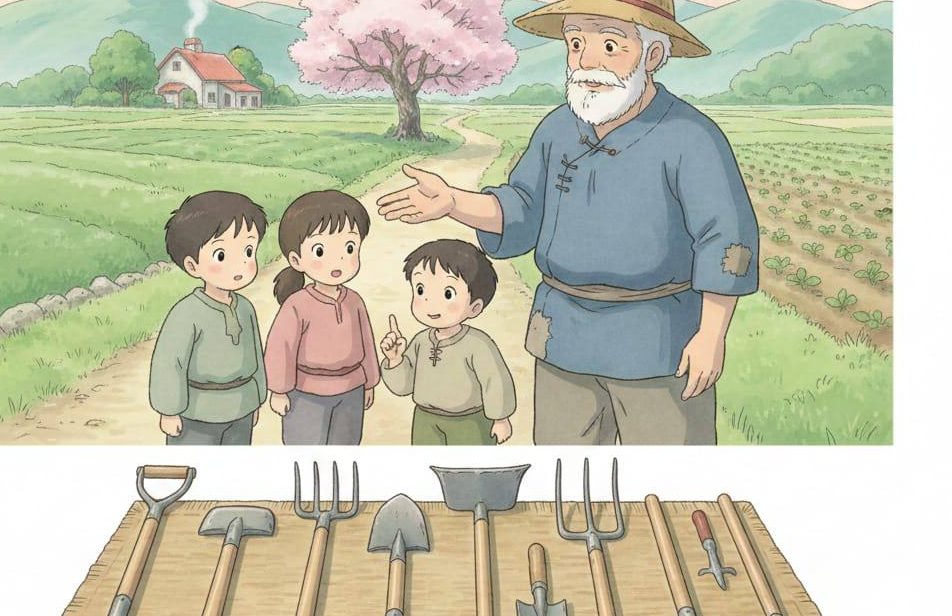
→ Agricultural tools and machinery form the backbone of modern farming, helping farmers complete tasks efficiently and effectively. From preparing the land and sowing seeds to irrigation, crop management, and harvesting, the right equipment ensures timely operations and better yields. Understanding the types, functions, and proper use of agricultural machinery is essential for both small and large-scale farmers. Proper selection, operation, and maintenance of tools can save labor, reduce costs, and increase productivity. This guide provides practical knowledge about agricultural equipment, enabling farmers to make informed decisions, adopt modern farming practices, and improve both sustainability and profitability.
➡️ Key Points / Benefits
→ Reduces manual labor and saves time across farming operations
→ Improves crop yield and efficiency of farm tasks
→ Ensures timely planting, irrigation, and harvesting
→ Minimizes input wastage and operational costs
→ Supports precision and sustainable farming practices
→ Enhances long-term productivity and farm profitability
🔵 1️⃣ → Types of Agricultural Tools and Machinery
Agricultural machinery covers a wide range of tools for different stages of farming. Knowing the types of equipment helps farmers select what best suits their farm needs.
Common categories include:
- Land Preparation: Tractors, ploughs, harrows, rotavators
- Planting & Sowing: Seed drills, planters, transplanters
- Crop Care: Sprayers, weeders, cultivators, fertigation tools
- Harvesting: Combine harvesters, threshers, reapers
- Post-Harvest Handling: Grain cleaners, dryers, milling machines
Practical tip: Small-scale farmers may start with essential or multi-functional tools and gradually expand. Choosing appropriate machinery prevents underutilization and maximizes returns on investment.
🔵 2️⃣ → Selecting the Right Equipment for Your Farm
Selecting proper agricultural machinery depends on land size, crop type, and budget. Choosing the right equipment ensures efficient operations and cost-effectiveness.
Key points to consider:
- Assess the farm’s land area and crop requirements
- Consider availability of fuel, electricity, and spare parts
- Opt for machinery suitable for local soil and climate conditions
- Start with versatile, multi-purpose equipment for small farms
Avoid purchasing advanced or oversized machinery that may remain underutilized. Farmers should also check for warranties and after-sales service to ensure long-term support.
🔵 3️⃣ → Benefits of Using Agricultural Machinery
Proper use of farm tools and machinery improves productivity, reduces labor, and enhances crop quality.
Advantages include:
- Faster land preparation, sowing, and harvesting
- Uniform planting and better seed germination
- Efficient irrigation and nutrient application
- Reduction in manual labor and physical strain
- Lower post-harvest losses due to mechanized handling
Using machinery also helps farmers complete operations on time, which is critical for maximizing yield and profitability. Efficient mechanization supports sustainability and resource conservation.
🔵 4️⃣ → Maintenance and Safe Usage of Machinery
Regular maintenance ensures machines function efficiently and safely, preventing breakdowns and costly repairs.
Practical tips:
- Clean and lubricate machinery after use
- Inspect moving parts, belts, and tires regularly
- Follow manufacturer guidelines for servicing
- Train operators for safe handling and operation
Monitoring machinery performance helps detect issues early. Proper maintenance increases equipment lifespan, improves efficiency, and reduces operational risks on the farm.
🔵 5️⃣ → Cost Management and Accessibility of Tools
Farm machinery can be expensive, but several strategies help farmers manage costs effectively.
Step-by-step guidance:
- Use government subsidies and mechanization schemes
- Rent or hire machinery during peak seasons
- Consider cooperative ownership with neighboring farmers
- Track cost-benefit ratios and monitor operational expenses
Do’s: Plan purchases carefully based on farm requirements and maintain usage logs. Don’ts: Avoid over-investing in equipment that is not necessary or neglecting maintenance. Smart financial planning ensures long-term benefits from mechanization.
➡️ CONCLUSION
→ Agricultural tools and machinery are essential for modern, efficient, and profitable farming. By understanding the types of equipment, selecting the right tools, and maintaining them properly, farmers can save labor, reduce costs, and increase productivity. Proper mechanization ensures timely operations, better crop quality, and long-term sustainability. Farmers who adopt these practices gradually and wisely will gain higher efficiency, lower input wastage, and improved income. Using this guide, farmers can make informed decisions and implement effective mechanization strategies, supporting growth and profitability in today’s competitive agricultural landscape.