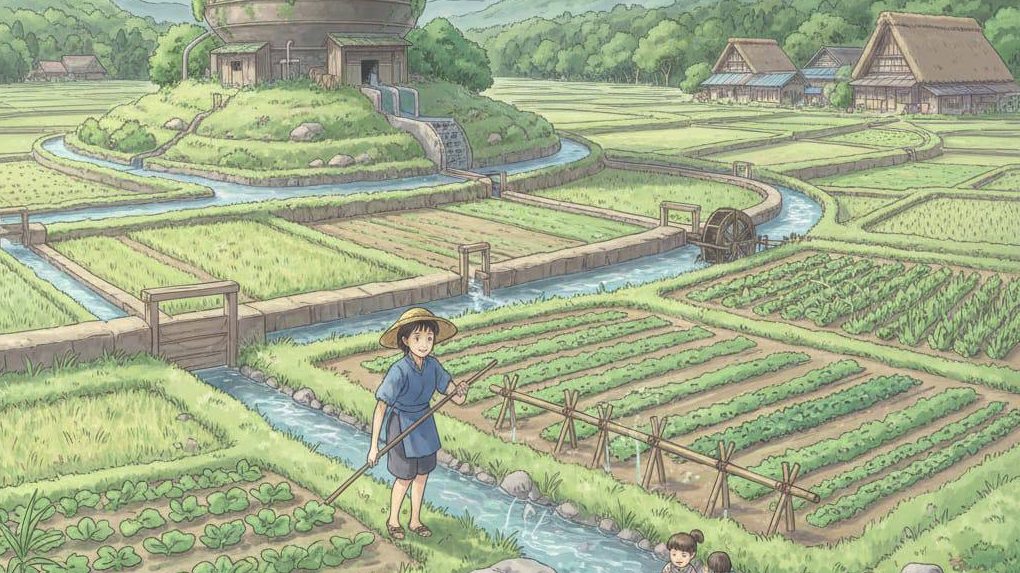
➡️ INTRODUCTION
→ Agricultural irrigation systems are a cornerstone of modern farming, providing crops with the water they need for optimal growth and productivity. With the challenges of unpredictable rainfall and water scarcity, efficient irrigation helps farmers maintain consistent crop yields while conserving precious water resources. Proper irrigation ensures that plants receive the right amount of water at the right time, reducing stress and promoting healthy growth. By implementing well-planned irrigation systems, farmers can save labor, minimize water wastage, and improve soil health. Ultimately, irrigation systems not only enhance farm efficiency and productivity but also support sustainable and climate-resilient agricultural practices, boosting long-term profitability.
➡️ Key Points / Benefits
→ Ensures uniform water distribution for healthy crops
→ Conserves water and reduces wastage
→ Improves crop yield and quality
→ Reduces labor requirements for watering and crop management
→ Supports sustainable and climate-smart agriculture
→ Protects soil structure and prevents waterlogging or erosion
🔵 1️⃣ → Types of Agricultural Irrigation Systems
There are several types of irrigation systems, each suited to different crops, soils, and farm conditions. Understanding these options allows farmers to choose the most effective system for their needs.
- Surface Irrigation: Water flows over fields through channels or furrows. Suitable for flat terrains, it is simple and cost-effective but can lead to uneven water distribution if not managed properly.
- Sprinkler Irrigation: Water is sprayed like rainfall over crops using pipes and nozzles. Ideal for uneven fields, it reduces labor and promotes uniform growth.
- Drip Irrigation: Delivers water directly to the plant roots through tubes and emitters, minimizing evaporation and maximizing efficiency.
- Subsurface Irrigation: Water is supplied below the soil surface, directly to roots. This system reduces evaporation and prevents surface runoff.
Farmers should select a system based on field size, crop type, and water availability to maximize productivity and efficiency.
🔵 2️⃣ → Benefits of Using Modern Irrigation Systems
Modern irrigation systems provide numerous advantages that enhance farm performance and profitability.
- Water Efficiency: Precision systems like drip irrigation reduce water use by 30–50% compared to traditional methods.
- Higher Yields: Consistent water supply promotes healthier crops and better growth.
- Reduced Labor: Automated systems eliminate the need for manual watering.
- Flexibility in Scheduling: Timed irrigation ensures crops receive water at critical growth stages.
- Soil Preservation: Controlled irrigation prevents waterlogging, soil erosion, and nutrient loss.
Implementing modern systems also helps farmers adapt to changing climatic conditions while maintaining productivity.
🔵 3️⃣ → Implementing Irrigation Systems Effectively
Proper planning and execution are key to maximizing irrigation benefits.
Step-by-step guidance:
- Assess the Farm: Analyze soil type, slope, water availability, and crop needs.
- Select Appropriate System: Choose a system compatible with your crops and terrain.
- Design Layout: Ensure uniform coverage across the field.
- Install Equipment: Use quality pipes, pumps, and emitters to prevent leaks and blockages.
- Test Before Use: Run water through the system to ensure consistent delivery to all areas.
Mistakes to avoid include overwatering, improper installation, and neglecting system maintenance. Thoughtful implementation ensures efficiency and reduces operational issues.
🔵 4️⃣ → Maintenance and Monitoring
Regular maintenance keeps irrigation systems efficient and long-lasting.
Practical tips include:
- Clean filters, emitters, and nozzles regularly
- Inspect pipes, joints, and pumps for leaks
- Monitor water pressure and flow rates to ensure even distribution
- Use soil moisture sensors to prevent over- or under-watering
Consistent monitoring prevents system failures, saves water, and ensures crops receive the optimal amount of water throughout their growth cycle.
🔵 5️⃣ → Cost Management and Access to Technology
While modern irrigation systems can be expensive, strategic planning helps manage costs effectively.
- Government Programs and Subsidies: Many regions offer financial support for irrigation infrastructure.
- Shared Resources: Farmers’ cooperatives can pool funds to purchase or rent equipment.
- Leasing Options: Renting systems during peak seasons reduces upfront investment.
- Gradual Expansion: Start with essential systems and scale as farm income increases.
Do’s: Track water usage and system performance, schedule regular maintenance, and choose the right system for farm size. Don’ts: Avoid over-investing or neglecting upkeep, which can reduce efficiency and lifespan.
➡️ CONCLUSION
→ Agricultural irrigation systems are essential for efficient, sustainable, and profitable farming. Properly chosen and maintained systems ensure crops receive consistent water, improve yields, save labor, and conserve resources. From surface irrigation to advanced drip and subsurface methods, modern irrigation allows farmers to optimize water usage and enhance farm productivity. Implementing these systems thoughtfully and monitoring performance ensures long-term benefits, supports soil health, and prepares farms to adapt to changing environmental conditions. Farmers who adopt efficient irrigation practices can achieve higher income, better crop quality, and sustainable growth in today’s competitive agricultural environment.