➡️ INTRODUCTION
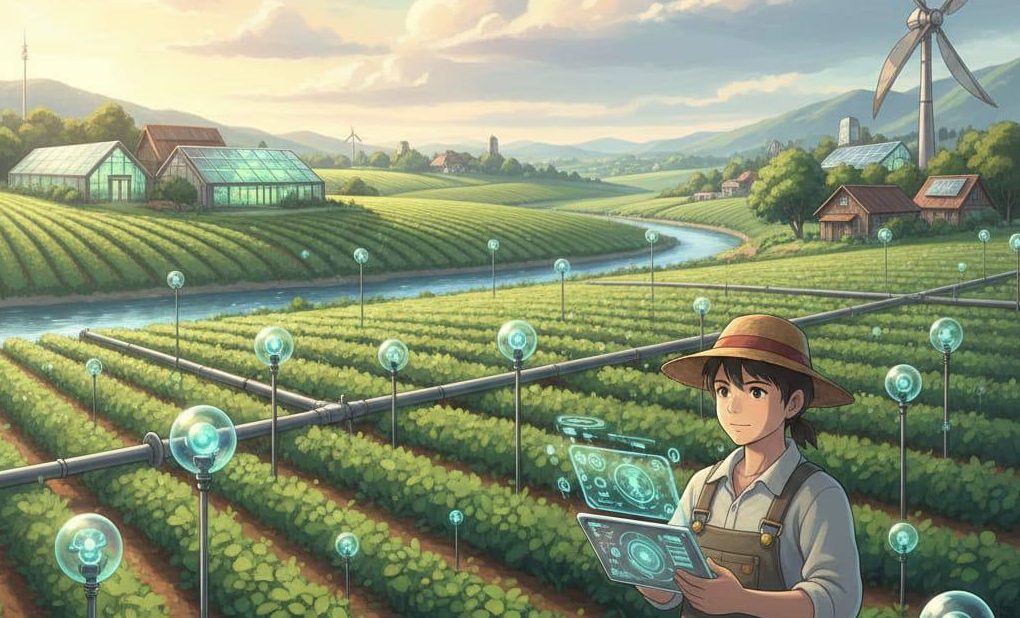
→ Modern farming tools and technology have changed the way agriculture is practiced across the world. Traditional methods often require heavy manual labor and depend heavily on weather conditions, while modern tools focus on efficiency, precision, and sustainability. Technologies such as smart machinery, digital monitoring systems, and advanced irrigation tools help farmers increase productivity while reducing costs and resource wastage. For small, medium, and large farmers alike, adopting modern farming tools can lead to better crop yields, improved soil health, and stable farm income. Understanding these technologies allows farmers to make informed decisions and gradually upgrade their farming practices for long-term success.
➡️ Key Points / Benefits
→ Saves time and reduces physical labor on the farm
→ Improves crop yield and quality through precision farming
→ Reduces water, fertilizer, and fuel wastage
→ Helps farmers make data-based decisions
→ Supports sustainable and climate-resilient agriculture
→ Increases profitability with better resource management
🔵 1️⃣ → Smart Agricultural Machinery and Equipment
Modern agricultural machinery has evolved beyond basic tractors and harvesters. Today’s smart machines are designed to perform tasks with higher accuracy and lower operating costs. Equipment such as automatic seed planters, precision sprayers, and multi-function tractors help farmers manage large areas efficiently.
Key advantages include:
- Uniform seed placement for better germination
- Reduced fuel consumption through optimized operations
- Faster completion of farming activities
Farmers should select machinery based on land size, crop type, and budget. Regular training and proper maintenance ensure maximum benefit from these advanced tools while minimizing breakdowns and repair costs.
🔵 2️⃣ → Precision Farming Tools and Technologies
Precision farming focuses on using technology to apply inputs only where and when they are needed. Tools like GPS-guided equipment, soil sensors, and yield monitors help farmers understand field variability.
Common precision tools include:
- GPS-enabled tractors for accurate field operations
- Soil testing sensors to monitor nutrients and moisture
- Variable-rate applicators for fertilizers and pesticides
By using these tools, farmers can avoid overuse of inputs, reduce costs, and protect the environment. Precision farming also helps in improving crop uniformity and long-term soil health, making farming more sustainable and profitable.
🔵 3️⃣ → Digital Farming and Farm Management Systems
Digital farming tools help farmers plan, monitor, and manage farm activities using mobile apps and computer-based systems. These tools collect data related to weather, crop growth, irrigation schedules, and market prices.
Benefits of digital farm management include:
- Better planning of sowing and harvesting schedules
- Real-time monitoring of crop health
- Improved record-keeping for expenses and yields
Farmers should start with simple applications and gradually adopt advanced systems. Avoid relying on too many platforms at once, as this may create confusion. Consistent data entry and regular review are key to gaining real value from digital tools.
🔵 4️⃣ → Modern Irrigation and Water Management Technology
Water management is one of the most critical aspects of farming. Modern irrigation technologies help farmers use water efficiently while maintaining crop health.
Popular modern irrigation tools include:
- Drip irrigation systems
- Sprinkler irrigation systems
- Soil moisture monitoring devices
These technologies reduce water wastage and ensure crops receive the right amount of moisture. Farmers should regularly check irrigation lines for leaks and blockages. Combining irrigation systems with weather data helps prevent over-irrigation and supports sustainable water use.
🔵 5️⃣ → Use of Renewable Energy and Automation in Farming
Renewable energy and automation are becoming important parts of modern agriculture. Solar-powered pumps, automated greenhouse systems, and robotic tools reduce dependency on traditional energy sources.
Best practices include:
- Installing solar pumps for irrigation
- Using automated feeders and climate controls in protected farming
- Monitoring energy usage regularly
Do not install automation without proper training and technical support. Start small and expand gradually. These technologies reduce long-term energy costs, improve efficiency, and make farming more environmentally friendly.
➡️ CONCLUSION
→ Modern farming tools and technology offer practical solutions to many challenges faced by today’s farmers. From smart machinery and precision tools to digital systems and efficient irrigation, these innovations help improve productivity while conserving resources. Farmers who adopt modern tools gradually and wisely can reduce costs, improve crop quality, and build a more sustainable farming system. With proper planning, training, and maintenance, modern farming technology becomes a valuable investment that supports long-term farm growth and income stability.