➡️ INTRODUCTION
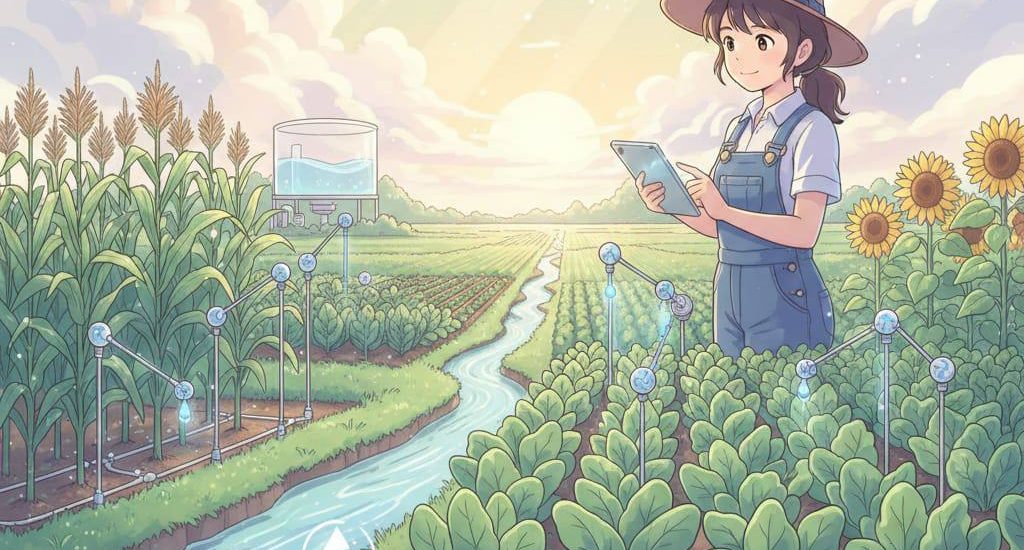
→ Water is one of the most critical resources for agriculture, and using it wisely can make a huge difference in crop productivity and sustainability. Smart water use in agriculture involves techniques and strategies that optimize water consumption while ensuring that crops receive adequate hydration for healthy growth. By adopting efficient irrigation methods, monitoring soil moisture, and leveraging modern technology, farmers can reduce water wastage, lower costs, and maintain soil health. Implementing smart water practices not only increases crop yield and farm income but also helps conserve water resources for future use, making farming more resilient to climate variability and drought conditions.
➡️ Key Points / Benefits
→ Conserves water while maintaining optimal crop growth
→ Reduces irrigation costs and energy consumption
→ Enhances crop yield and quality through precise water delivery
→ Minimizes soil erosion and prevents waterlogging
→ Supports sustainable and climate-resilient farming
→ Promotes efficient farm management and long-term productivity
🔵 1️⃣ → Understanding Soil Moisture and Crop Water Needs
Knowing your soil type and the water requirements of crops is the foundation of smart water use. Different crops and soils have unique water retention and drainage characteristics.
Practical steps:
- Test soil texture and moisture-holding capacity regularly.
- Identify crop-specific water needs during various growth stages.
- Monitor soil moisture using sensors, tensiometers, or manual checks.
Example: Vegetables may require frequent shallow watering, while deep-rooted crops like maize benefit from less frequent but deeper irrigation. Understanding these requirements prevents over- or under-watering, improving yield and resource efficiency.
🔵 2️⃣ → Efficient Irrigation Techniques
Modern irrigation methods deliver water precisely where and when it is needed, reducing waste.
Popular systems include:
- Drip Irrigation: Directly delivers water to roots, saving 30–50% of water.
- Sprinkler Irrigation: Mimics rainfall for uniform water distribution on uneven terrain.
- Subsurface Irrigation: Delivers water below the soil surface to reduce evaporation losses.
- Rainwater Harvesting: Collects and stores rainwater for irrigation use during dry periods.
Practical tip: Match the system to crop type, field size, and water availability to maximize efficiency.
🔵 3️⃣ → Monitoring and Scheduling Water Use
Scheduling irrigation based on crop needs and weather conditions is vital for smart water use.
Actionable tips:
- Track rainfall and adjust irrigation accordingly.
- Use automated timers or smart controllers to water crops at optimal times.
- Monitor soil moisture daily to avoid under- or over-irrigation.
Avoid mistakes like irrigating during rainy periods or watering too frequently, which wastes water and can damage crops. Proper monitoring ensures that every drop counts toward crop growth.
🔵 4️⃣ → Water-Saving Practices and Farm Management
In addition to technology, simple management practices can improve water efficiency.
Examples include:
- Mulching: Retains soil moisture and reduces evaporation.
- Crop Rotation: Planting water-efficient crops during dry seasons.
- Zoning: Dividing fields into irrigation zones based on soil type and crop needs.
- Maintenance: Regularly check irrigation pipes, pumps, and emitters for leaks.
Implementing these practices alongside modern irrigation systems maximizes water use efficiency and farm productivity.
🔵 5️⃣ → Cost Management and Long-Term Benefits
Investing in smart water systems may require initial costs, but the long-term benefits outweigh the investment.
Step-by-step guidance:
- Explore government subsidies or incentives for irrigation equipment.
- Consider cooperative ownership or renting equipment for small-scale farms.
- Track water use and energy consumption to measure efficiency.
- Expand irrigation systems gradually as farm income grows.
Do’s: Implement water-saving strategies, maintain equipment, and plan irrigation schedules carefully. Don’ts: Neglect maintenance, over-irrigate, or ignore soil and crop monitoring.
➡️ CONCLUSION
→ Smart water use in agriculture is essential for sustainable farming, improved crop yield, and resource conservation. By understanding soil and crop water requirements, adopting efficient irrigation techniques, and monitoring water use closely, farmers can reduce wastage, save costs, and enhance productivity. Integrating simple practices like mulching, zoning, and rainwater harvesting further improves efficiency. Farmers who implement these strategies benefit from higher income, resilient crops, and long-term farm sustainability. Practicing smart water management ensures that agriculture remains productive while conserving water resources for future generations.