Introduction
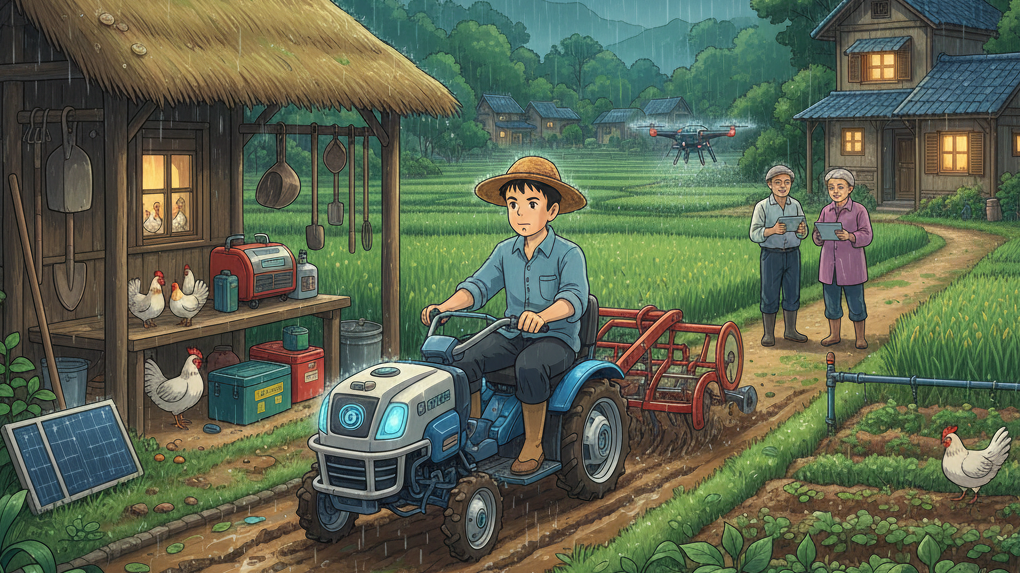
Agriculture has evolved significantly over the past few decades. Traditional farming methods that relied heavily on manual labor are now being replaced by advanced farm tools and machinery designed to improve efficiency, productivity, and profitability. Modern agricultural equipment helps farmers complete tasks faster, reduce physical effort, and achieve higher crop yields.
Farm tools and machinery play a vital role in every stage of farming — from land preparation and planting to irrigation, harvesting, and post-harvest management. Understanding the importance of these tools allows farmers to choose the right equipment and maximize their agricultural output.
Importance of Farm Tools and Machinery in Agriculture
The use of agricultural machinery has transformed farming into a more productive and sustainable industry. With growing food demand and limited labor availability, mechanization has become essential rather than optional.
Key benefits include:
- Faster farming operations
- Reduced labor dependency
- Improved crop productivity
- Better soil management
- Efficient resource utilization
- Increased farmer income
Mechanized farming also allows farmers to manage larger areas with greater accuracy and consistency.
Types of Farm Tools and Machinery
Farm equipment can be categorized based on different farming activities.
1. Land Preparation Tools
Land preparation is the first and most important step in agriculture. Proper soil preparation improves seed germination and crop growth.
Common tools include:
- Ploughs
- Harrows
- Cultivators
- Rotavators
These machines loosen soil, remove weeds, and prepare the land for planting.
2. Planting and Sowing Equipment
Accurate seed placement is crucial for healthy crop development. Modern sowing equipment ensures uniform spacing and depth.
Popular planting machinery:
- Seed drills
- Planters
- Transplanters
These tools reduce seed wastage and improve crop uniformity.
3. Irrigation Equipment
Efficient water management is essential for successful farming.
Modern irrigation tools include:
- Sprinkler systems
- Drip irrigation setups
- Water pumps
- Pipe distribution systems
These systems deliver water directly to crops, reducing wastage and improving efficiency.
4. Crop Protection Machinery
Protecting crops from pests and diseases helps prevent yield losses.
Important equipment:
- Manual sprayers
- Power sprayers
- Mist blowers
- Fertilizer spreaders
Modern sprayers ensure even chemical distribution while minimizing excessive usage.
5. Harvesting Machinery
Harvesting is one of the most labor-intensive farming processes. Machinery significantly reduces time and effort.
Examples include:
- Combine harvesters
- Reapers
- Threshers
These machines increase harvesting speed and reduce post-harvest losses.
Advantages of Using Modern Farm Machinery
Increased Productivity
Machines perform tasks faster than manual labor, allowing farmers to cultivate more land in less time.
Precision Farming
Modern tools improve accuracy in planting, fertilizing, and irrigation, leading to better crop quality.
Cost Efficiency
Although initial investment may be high, machinery reduces long-term labor and operational costs.
Reduced Physical Labor
Mechanization minimizes manual effort, making farming safer and less physically demanding.
Role of Technology in Agricultural Machinery
Technology is making farm equipment smarter and more efficient.
Innovations include:
- GPS-guided tractors
- Automated irrigation systems
- Sensor-based soil monitoring
- Smart harvesting machines
These technologies help farmers make data-driven decisions and reduce resource waste.
Choosing the Right Farm Equipment
Farmers should consider several factors before purchasing machinery:
- Farm size and crop type
- Budget and maintenance cost
- Fuel efficiency
- Availability of spare parts
- Ease of operation
Selecting suitable equipment ensures maximum return on investment.
Maintenance of Farm Machinery
Proper maintenance extends equipment life and prevents unexpected breakdowns.
Maintenance tips:
- Regular cleaning after use
- Timely lubrication
- Engine inspection
- Proper storage
- Scheduled servicing
Well-maintained machinery improves performance and safety.
Challenges in Farm Mechanization
Despite its benefits, some farmers face difficulties adopting machinery:
- High initial purchase cost
- Lack of technical knowledge
- Limited access to financing
- Maintenance expenses
Government subsidies and rental services are helping farmers overcome these challenges.
Future of Farm Machinery
The future of agriculture lies in automation and smart farming equipment. Artificial intelligence, robotics, and electric-powered machines are expected to become more common.
Future innovations may include:
- Autonomous tractors
- Drone-based crop monitoring
- AI-powered harvesting systems
- Energy-efficient machinery
These advancements will make farming more sustainable and productive.
Conclusion
Farm tools and machinery have become essential components of modern agriculture. From soil preparation to harvesting, mechanization improves efficiency, reduces labor demands, and increases crop productivity.
By adopting suitable equipment and maintaining it properly, farmers can enhance profitability while supporting sustainable agricultural practices. As technology continues to advance, farm machinery will play an even greater role in shaping the future of farming.